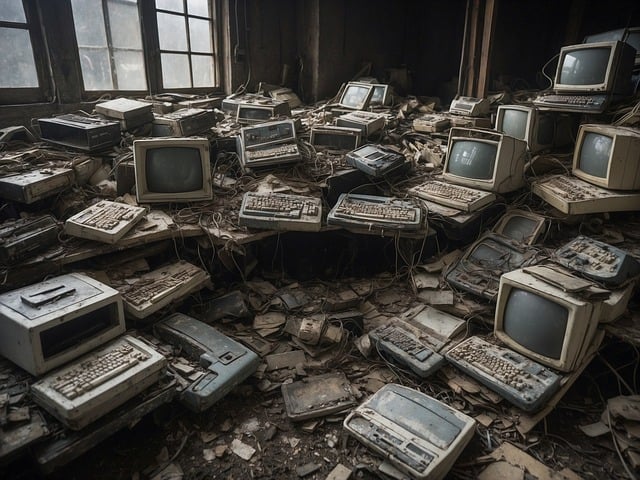
Do you know how to safely handle electronics that are no longer useful to you? Unwanted electronic waste must not be thrown into regular trash cans. Are you doing it right?
Do you have unwanted electronics at home? Do you know how to dispose of them properly?
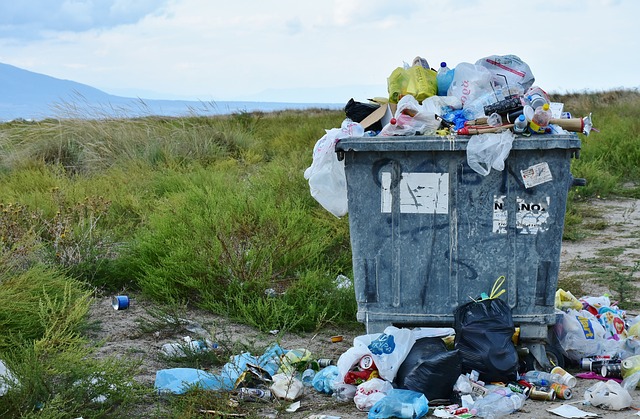
Electronics that are no longer in use must not be thrown into containers for regular mixed waste. However, many people do not respect this rule, and piles of items, including broken electronics, often accumulate next to trash cans. However, this is essentially illegal dumping, as electronics do not belong in or next to regular waste containers. There are reasons for this, and there are many ways to dispose of old electronics. Are you familiar with all of these options?
What counts as electronic waste?
Electrical waste includes larger and smaller electrical appliances that are commonly used in the home. This certainly includes televisions, computers, tablets, mobile phones, laptops, refrigerators, but also vacuum cleaners, washing machines, hair dryers, kitchen appliances, mixers, coffee makers, electric kettles, and microwave ovens. Even ordinary batteries must not be thrown into mixed waste, let alone electronics. It is important to realize that there are strict rules for the disposal of unused and broken electronics. It is not just a matter of protecting the environment, but some components of electrical appliances can be reused, so they must be removed and disposed of professionally. In addition, electronic waste may contain hazardous materials, and in most cases it does, and the components must be disposed of separately.
Where to put electronic waste?
There are many ways to dispose of broken electronics. In most places, you can find special containers that are properly labeled and intended for smaller electronics and batteries. However, if you have a broken refrigerator or washing machine, you need to take this waste to a collection point. Every city or town has its own collection yard. If there is no collection yard in your municipality, there will certainly be one in the immediate vicinity. You can take basically anything, any larger waste, to the collection yard.
It is also possible to take old electronics to an electrical appliance store, where old items are commonly exchanged for newly purchased electronics, and the store takes care of transport and disposal. However, there are also various companies that buy electronic waste, and mobile phones or batteries are often collected in the form of charity collections and the like. Schools also often organize collections of various small electrical appliances. All you need to do is keep an eye on what is happening in your area.